Partners in Success
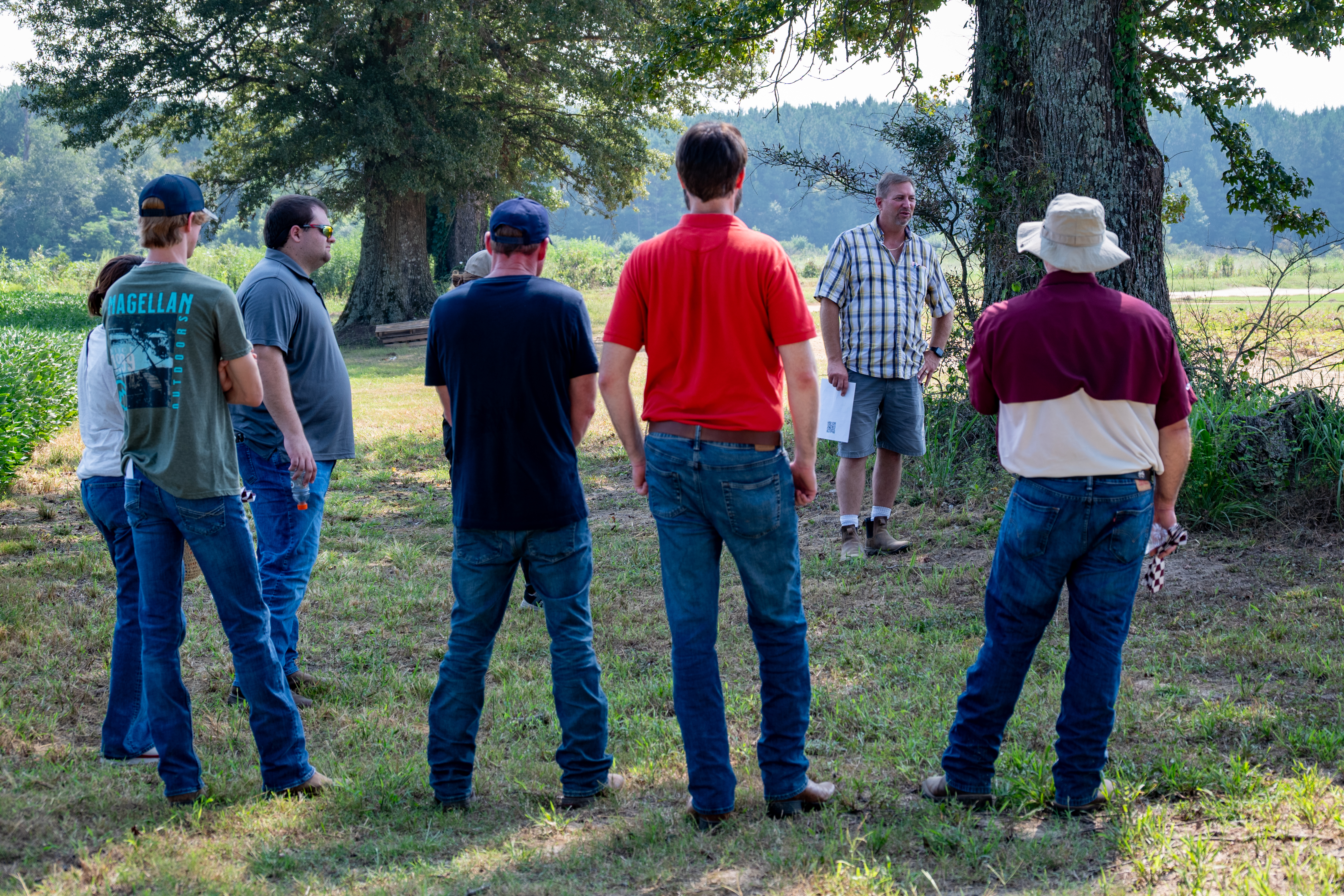
A key deliverable of Partners in Success was understanding perspectives and needs from various roles within the OFE network. Interviews with producers, researchers, and Extension professionals highlighted the importance of clearly defining farm relevant questions early, keeping data collection practical, and maintaining ongoing communication throughout the growing season. Flexible trial designs that fit within existing farm workflows and build on data farmers already generate, such as yield data, help reduce burden while maintaining decision value. Extension professionals, private consultants, and other trusted advisors play a key role by bridging research goals with farm realities, supporting implementation, and ensuring results are meaningful beyond a single field or operation.
The findings from Partners in Success show that effective OFE depends as much on relationships as it does on tools. Trust, sustained engagement, and clear roles for all partners allow experimentation to grow over time and deliver lasting value. By emphasizing simplicity, communication, and place based collaboration, OFE can strengthen both farm level decision making and the broader university research and Extension systems that support agriculture.